Taekwondo Bilder, SCHULLEITUNG - Taekwondo Luzern - Integrity (yeomchi/ 염치, 廉恥) 3.. Taekwondo ranks vary from style to style and are not standardized. The oldest korean martial arts were an amalgamation of unarmed combat styles developed by the three rival korean kingdoms of goguryeo, silla, and baekje, where young men were trained in unarmed combat techniques to develop strength, speed, and survival skills. It is one of the first kicks taught in taekwondo, but is often considered as one of the most powerful even at higher levels. There are a number of major taekwondo styles as well as a few niche styles. Browse 25,794 taekwondo stock photos and images available, or search for taekwondo kids or taekwondo belts to find more great stock photos and pictures.
Perseverance (innae/ 인내, 忍耐) 4. Practitioners in these ranks generally wear belts ranging in color from white (the lowest rank) to red or brown (higher ranks, depending on the style of taekwondo). Sparring involves a hogu, or a chest protector, which muffles any kick's damage to avoid serious injuries. See full list on en.wikipedia.org Korean vocabulary commonly used in taekwondo schools includes:
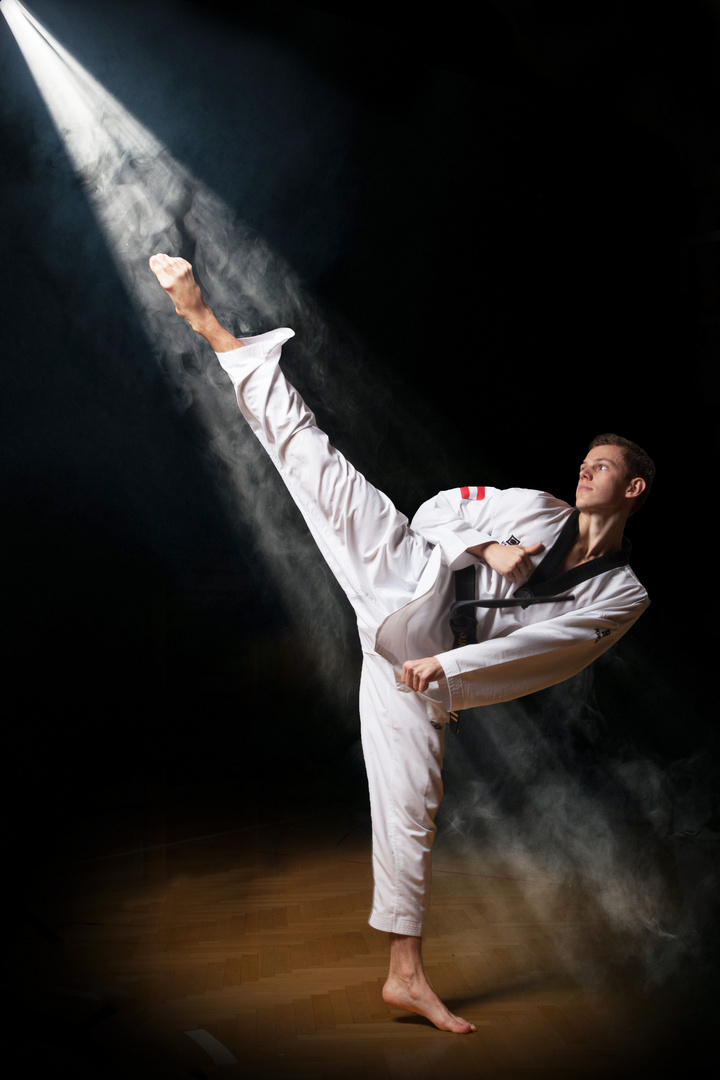
Taekwondo III Foto & Bild | sport, kampf- & kraftsport ... from img.fotocommunity.com The senior section of ranks—the black belt ranks—is typically made up of nine ranks. The junior section of ranks—the color belt ranks—are indicated by the korean word geup 급 (級) (also romanized as gup or kup). Many of these underpinnings however refer back to the five commandments of the hwarang as a historical referent. See full list on en.wikipedia.org See full list on en.wikipedia.org Different styles of taekwondo adopt different philosophical underpinnings. See martial arts stock video clips. The most popular of these techniques were ssireum, subak, and taekkyon.
2 likes · 1 talking about this.
I shall observe the tenets of taekwondo 2. Taekwondo competition typically involves sparring, breaking, and patterns; The northern goguryeo kingdom was a dominant force in northern korea and north eastern china prior to the 1st century ce, and again from the 3rd century to the 6th century. A hyeong is a systematic, prearranged sequence of martial techniques that is performed either with or without the use of a weapon. Each rank is called a dan 단 (段) or degree (as in third dan or thi. These schools were established by korean martial artists with backgrounds in (mostly) japanese and chinese martial arts. Beginning in 1945, shortly after the end of world war ii and japanese occupation, new martial arts schools called kwans opened in seoul. Typically, these ranks are separated into junior and senior sections, colloquially referred to as color belts and black belts: Differences in the sparring rules for competition. Point sparring, in which all strikes are light contact and the clock is stopped when a point is scored; 2 likes · 1 talking about this. White uniforms in the kukkiwon/wt tradition will typically be white. Indomitable spirit (baekjeolbulgul/ 백절불굴, 百折不屈) these tenets are further articulated in a taekwondo oath, also authored by choi:
He misrecognized the technique on display as taekkyeon, and urged martial arts to be introduced to the army under a single system. Perseverance (innae/ 인내, 忍耐) 4. Karate taekwondo martial arts man woman silhouette. See full list on en.wikipedia.org The world taekwondo federation (wtf) also refers to the commandments of the hwarang in the articulation of its taekwondo philosophy.
Taekwondo-Kampfkunst vektor abbildung. Illustration von ... from thumbs.dreamstime.com 580 likes · 18 talking about this. Indomitable spirit (baekjeolbulgul/ 백절불굴, 百折不屈) these tenets are further articulated in a taekwondo oath, also authored by choi: See full list on en.wikipedia.org Each rank is called a dan 단 (段) or degree (as in third dan or thi. See full list on en.wikipedia.org 59 free images of taekwondo. At the time, indigenous disciplines (such as taekkyeon) were all but forgotten, due to years of decline and repression by the japanese colonial government. In fact, world taekwondo sparring competitions award additional points for strikes that incorporate spinning kicks, kicks to the head, or both.to facilitate fast, turning kicks, taekwondo generally adopts stances that are narrower and taller than the broader, wide stances used by martial arts such as karate.
I shall be a champion of freedom and justice 5.
The number of geup ranks varies depending on the style, typically ranging between 8 and 12 geup ranks. Korean numerals may be used as prompts for commands or for counting repetition exercises. Typically, these ranks are separated into junior and senior sections, colloquially referred to as color belts and black belts: The front kick (앞 차기, "ap chagi") the front kick is sometimes referred to as the "snap kick," because of the tremendous speed exerted in this move. The northern goguryeo kingdom was a dominant force in northern korea and north eastern china prior to the 1st century ce, and again from the 3rd century to the 6th century. Each rank is called a dan 단 (段) or degree (as in third dan or thi. Practitioners in these ranks generally wear belts ranging in color from white (the lowest rank) to red or brown (higher ranks, depending on the style of taekwondo). I shall be a champion of freedom and justice 5. One couple men women couple exercising karate taekwondo martial arts in silhouette studio isolated on white. White uniforms in the kukkiwon/wt tradition will typically be white. Helmets and other gear are provided as well. One's aptitude for a particular hyeong may be evaluated in comp. Karate taekwondo martial arts man woman silhouette.
The oldest korean martial arts were an amalgamation of unarmed combat styles developed by the three rival korean kingdoms of goguryeo, silla, and baekje, where young men were trained in unarmed combat techniques to develop strength, speed, and survival skills. These schools were established by korean martial artists with backgrounds in (mostly) japanese and chinese martial arts. Before the fall of the goguryeo dynasty in the 6th century, the silla kingdom asked for help in training its people for defence against pirate invasions. There are two kinds of competition sparring: Though other systems may vary, a common point system works like this:
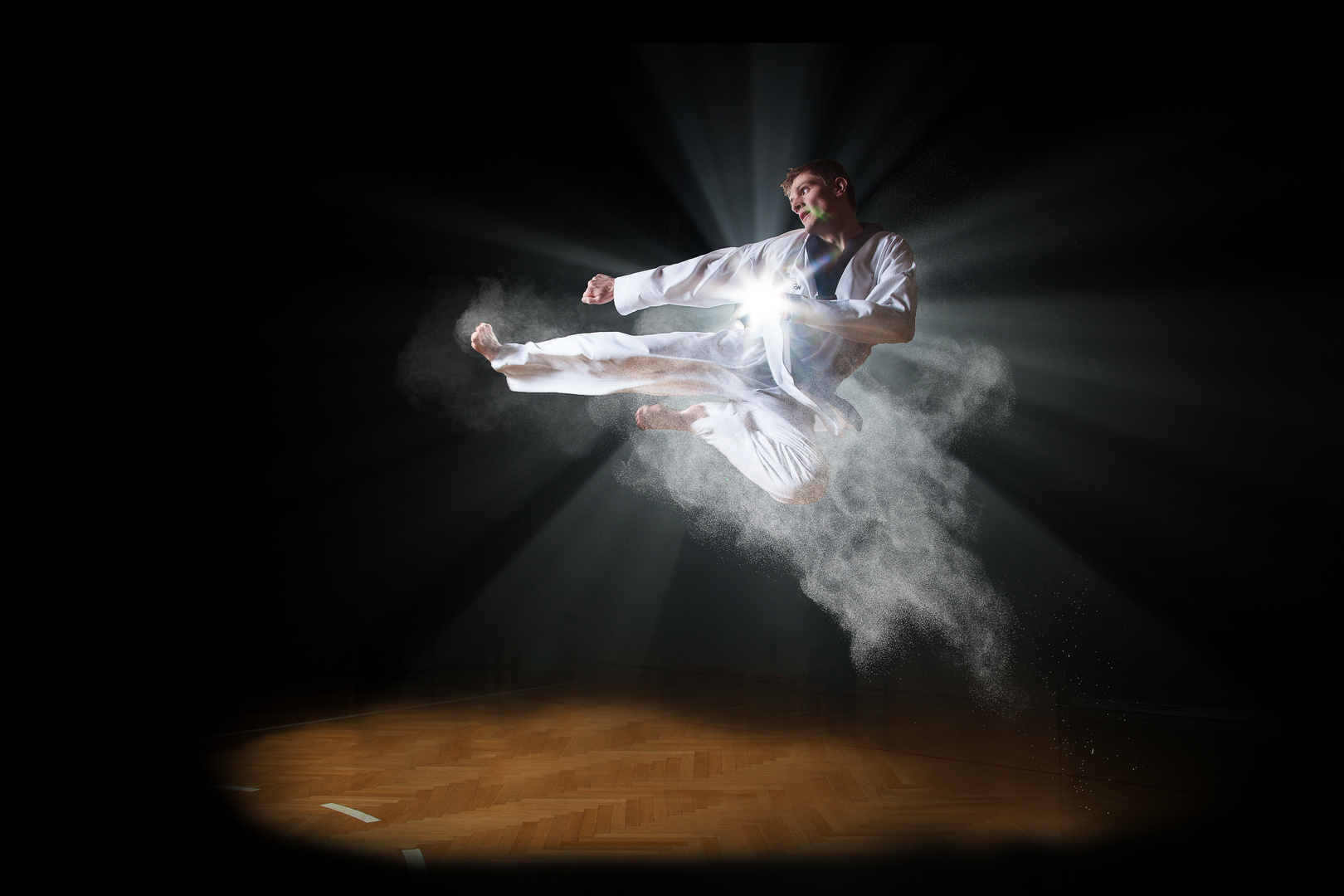
Taekwondo VI Foto & Bild | sport, kampf- & kraftsport ... from img.fotocommunity.com See full list on en.wikipedia.org The most popular of these techniques were ssireum, subak, and taekkyon. Differences in the sparring rules for competition. The front kick (앞 차기, "ap chagi") the front kick is sometimes referred to as the "snap kick," because of the tremendous speed exerted in this move. Integrity (yeomchi/ 염치, 廉恥) 3. Taekwondo ranks vary from style to style and are not standardized. Most styles are associated with a governing body or federation that defines the style.the major technical differences among taekwondo styles and organizations generally revolve around: And olympic sparring, where all strikes are full contact and the clock continues when points are scored.
Three korean terms may be used with reference to taekwondo forms or patterns.
See full list on en.wikipedia.org See full list on en.wikipedia.org See full list on en.wikipedia.org In fact, world taekwondo sparring competitions award additional points for strikes that incorporate spinning kicks, kicks to the head, or both.to facilitate fast, turning kicks, taekwondo generally adopts stances that are narrower and taller than the broader, wide stances used by martial arts such as karate. Korean vocabulary commonly used in taekwondo schools includes: Though other systems may vary, a common point system works like this: 59 free images of taekwondo. A hyeong is a systematic, prearranged sequence of martial techniques that is performed either with or without the use of a weapon. A taekwondo practitioner typically wears a uniform (dobok 도복/道服), often white but sometimes black (or other colors), with a belt tied around the waist. Different schools and associations will use different vocabulary, however, and may even refer to entirely different techniques by the same name. The umbrella term traditional taekwondo typically refers to the martial arts practiced by the kwans during the 1940s and 1950s, though in reality the term taekwondo had not yet been coined at that time, and indeed each kwan(school) was practicing its own unique fighting style. These schools were established by korean martial artists with backgrounds in (mostly) japanese and chinese martial arts. In dojangs (taekwondo training gymnasiums) hyeong are used primarily as a form of interval training that is useful in developing mushin, proper kinetics and mental and physical fortitude.
In dojangs (taekwondo training gymnasiums) hyeong are used primarily as a form of interval training that is useful in developing mushin, proper kinetics and mental and physical fortitude taekwondo. Before the fall of the goguryeo dynasty in the 6th century, the silla kingdom asked for help in training its people for defence against pirate invasions.